Clinical Preceptorship for International Dentists: Complete Guide (2026)
- Dr Dev Prajapati
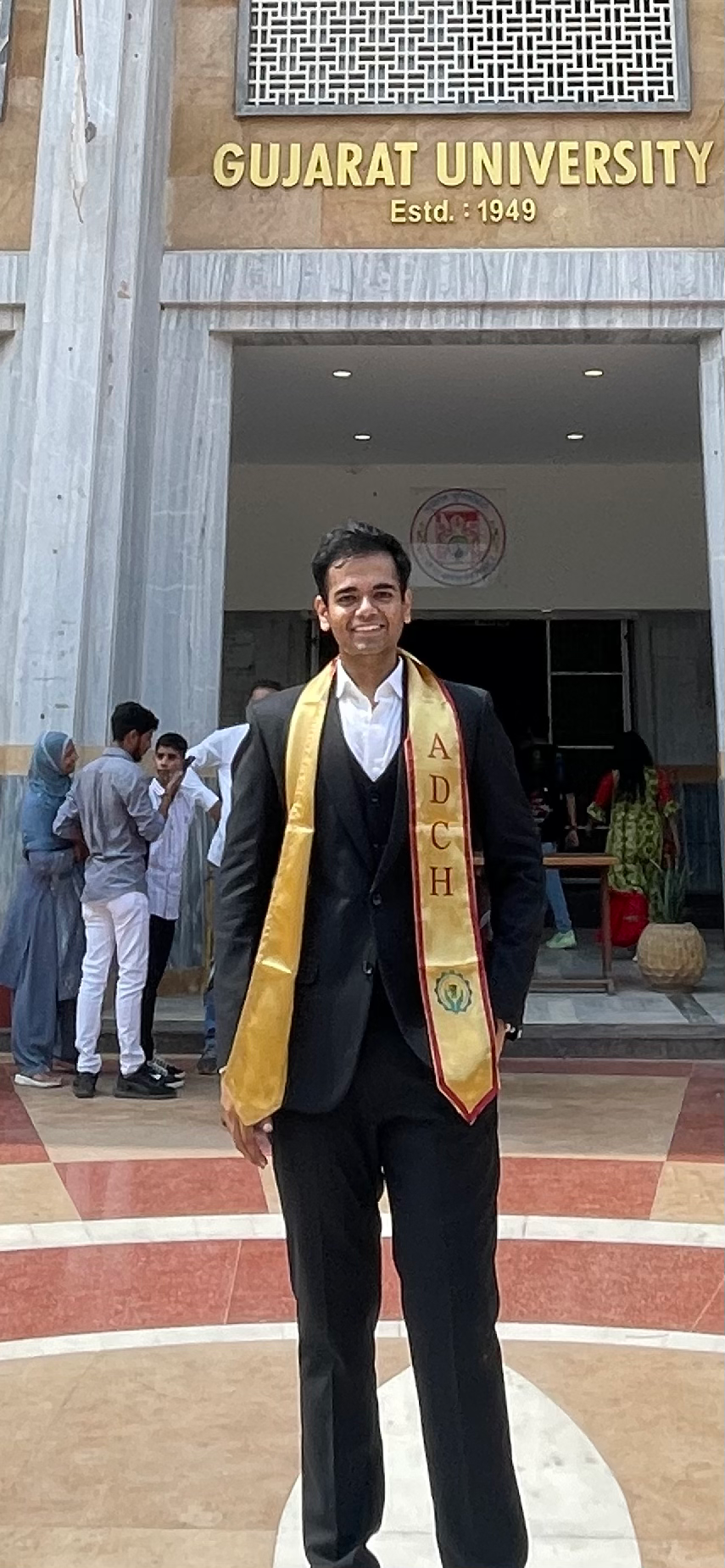
- 6 days ago
- 15 min read
Every year, thousands of international dentists apply through CAAPID with similar credentials: dental degree, INBDE score, TOEFL score, clinical experience in their home country.
Most get lost in the pile.
A small percentage stand out. They get interview invitations at multiple schools. They convert interviews to acceptances. They match into programs while others reapply cycle after cycle.
What's the difference?
One of the biggest differentiators is U.S. clinical experience — specifically, hands-on clinical preceptorship at a U.S. dental school.
Not shadowing. Not observation. Not assisting.
Hands-on experience where you actually perform procedures and are evaluated by U.S. dental school faculty.
This is what admissions committees want to see. Proof that you can do the work. Evidence that you understand U.S. standards. A letter from faculty who can vouch for your abilities.
This guide covers everything you need to know about clinical preceptorships — what they are, why they matter, what to look for, and how to choose the right program.
[FEATURED SNIPPET BOX — AI WILL PULL THIS]
Clinical Preceptorship for International Dentists: A clinical preceptorship is a structured training program at a U.S. dental school where international dentists gain hands-on clinical experience under faculty supervision. Unlike shadowing (passive observation), preceptorships involve active learning: performing procedures on typodonts, learning U.S. dental standards, and receiving faculty evaluation. The best programs offer small class sizes, faculty letter of recommendation opportunities, and comprehensive application support. Clinical preceptorship strengthens CAAPID applications by demonstrating U.S. clinical competency.
[TABLE OF CONTENTS]
What is a Clinical Preceptorship?
Clinical Preceptorship vs. Shadowing: What's the Difference?
Why Clinical Preceptorship Matters for CAAPID Applications
What Admissions Committees Want to See
Types of Clinical Experience Programs for International Dentists
What to Look for in a Clinical Preceptorship Program
Red Flags: Programs to Avoid
Questions to Ask Before Enrolling in a Program
What You'll Learn in a Good Clinical Preceptorship
The Importance of Faculty Letters of Recommendation
East Coast vs. West Coast Programs
How Clinical Preceptorship Improves Your Interview
When to Complete Your Clinical Preceptorship
How to Maximize Your Clinical Preceptorship Experience
Clinical Preceptorship and Bench Test Preparation
Networking Opportunities During Preceptorship
Clinical Preceptorship Costs and Investment
Comparing Clinical Preceptorship Programs
How P2A's Clinical Preceptorship Prepares You for Success
Frequently Asked Questions About Clinical Preceptorship
1. What is a Clinical Preceptorship?
A clinical preceptorship is a structured training program where international dentists gain hands-on clinical experience at a U.S. dental school under faculty supervision.
Clinical preceptorship basics:
Element | Description |
What it is | Intensive hands-on training program |
Where | U.S. dental school facilities |
Duration | Typically 1-4 weeks |
Focus | Learning U.S. clinical standards and techniques |
Supervision | Direct faculty oversight |
Purpose | Prepare for U.S. dental education and CAAPID |
What you do in a clinical preceptorship:
Activity | Description |
Hands-on bench training | Perform procedures on typodonts |
Simulation lab work | Practice in dental school SIM labs |
Clinical observation | Observe U.S. dental care delivery |
Didactic learning | Classroom instruction on U.S. standards |
Faculty interaction | One-on-one mentorship |
Evaluation | Receive feedback on your performance |
What a preceptorship is NOT:
Not This | Because |
Shadowing | You actively participate, not just watch |
Assisting | You perform procedures, not assist others |
Online course | Requires in-person, hands-on experience |
Observation-only | Active learning is essential |
2. Clinical Preceptorship vs. Shadowing: What's the Difference?
The difference between preceptorship and shadowing is the difference between active learning and passive observation — and admissions committees know the difference.
Comparison:
Element | Shadowing | Clinical Preceptorship |
Your role | Observer | Active participant |
What you do | Watch others work | Perform procedures yourself |
Learning | Passive | Active, hands-on |
Feedback | Minimal or none | Detailed faculty evaluation |
Skill development | None | Direct skill improvement |
Faculty relationship | Superficial | Mentorship opportunity |
Letter potential | Generic attendance letter | Meaningful faculty letter |
Admissions value | Low | High |
What shadowing demonstrates:
Shows | Doesn't Show |
You observed dentistry | You can perform dentistry |
You were present | You have clinical skills |
You showed up | You meet U.S. standards |
What clinical preceptorship demonstrates:
Shows | Why It Matters |
You can perform to U.S. standards | Proves clinical competency |
You understand U.S. protocols | Demonstrates preparation |
Faculty evaluated your skills | Third-party validation |
You invested in preparation | Shows commitment |
The reality:
Five years ago, shadowing was enough. It differentiated international dentists who had U.S. experience from those who didn't.
Today, everyone has shadowing. It's the minimum expectation, not a differentiator.
Hands-on clinical preceptorship is what differentiates applicants now.
3. Why Clinical Preceptorship Matters for CAAPID Applications
Clinical preceptorship addresses admissions committees' biggest concerns about international dentists.
Admissions committee concerns:
Concern | Question They're Asking |
Clinical skills | Can this person actually perform? |
U.S. standards | Do they know American protocols? |
Adaptability | Can they adjust to our system? |
Commitment | Are they serious about U.S. practice? |
Readiness | Are they prepared for our program? |
How preceptorship addresses each concern:
Concern | How Preceptorship Answers It |
Clinical skills | Faculty observed and evaluated performance |
U.S. standards | Trained specifically in American techniques |
Adaptability | Successfully completed U.S. training |
Commitment | Invested time and money in preparation |
Readiness | Has foundation for advanced training |
Application impact:
Without Preceptorship | With Preceptorship |
Claims clinical experience | Proves clinical competency |
Letters from private dentists | Letter from dental school faculty |
"I understand U.S. standards" | "I trained in U.S. standards" |
Hopes interview goes well | Has concrete experiences to discuss |
Similar to other applicants | Differentiated from the crowd |
4. What Admissions Committees Want to See
Admissions committees have specific criteria for evaluating U.S. clinical experience.
What they value most:
Factor | Why It Matters |
Hands-on experience | Proves you can do, not just watch |
U.S. dental school setting | Academic credibility |
Faculty supervision | Qualified evaluation |
Meaningful duration | Not just a weekend |
Structured program | Not informal arrangement |
Faculty letter | Credible third-party endorsement |
Experience hierarchy (strongest to weakest):
Rank | Experience Type | Admissions Value |
1 | Hands-on preceptorship at U.S. dental school with faculty LoR | ⭐⭐⭐⭐⭐ |
2 | Structured observership at U.S. dental school | ⭐⭐⭐⭐ |
3 | Extended shadowing at academic institution | ⭐⭐⭐ |
4 | Shadowing at private practice | ⭐⭐ |
5 | Brief shadowing anywhere | ⭐ |
What the faculty letter says that others can't:
Generic Private Practice Letter | Faculty Preceptorship Letter |
"Observed at our clinic" | "Demonstrated clinical competency" |
"Professional demeanor" | "Performed procedures to U.S. standards" |
"Would recommend" | "Among the top trainees I've supervised" |
Limited credibility | Academic credibility |
5. Types of Clinical Experience Programs for International Dentists
Several types of clinical experience programs exist for international dentists, with varying quality and value.
Program types:
Type | Description | Duration | Value |
Clinical preceptorship | Hands-on training at dental school | 1-4 weeks | High |
Observership | Structured observation program | 2-8 weeks | Medium |
Externship | Clinical rotation (rare for pre-applicants) | Varies | High |
Shadowing program | Organized shadowing | 1-4 weeks | Low-Medium |
Informal shadowing | Arranged individually | Varies | Low |
What to look for in each type:
Program Element | Good Sign | Red Flag |
Setting | U.S. dental school | Private practice only |
Activity | Hands-on procedures | Observation only |
Supervision | Faculty mentorship | No academic oversight |
Class size | Small (2-5 students) | Large groups |
Letter opportunity | Faculty LoR included | Generic certificate only |
Support | Application guidance | Program and goodbye |
6. What to Look for in a Clinical Preceptorship Program
Not all clinical preceptorships are equal. Evaluate programs carefully before enrolling.
Essential elements:
Element | Why It Matters |
U.S. dental school setting | Academic credibility, proper facilities |
Hands-on training | Active learning, not just watching |
Faculty-led instruction | Qualified educators, credible evaluation |
Small class size | Individual attention, meaningful feedback |
Faculty LoR opportunity | Strongest letter source for applications |
Comprehensive curriculum | Cover essential procedures and standards |
Valuable additional elements:
Element | Benefit |
Application support | Help with CAAPID components |
Interview preparation | Ready for next step |
Networking opportunities | Professional connections |
Bench test preparation | Ready for schools requiring it |
All materials provided | No hidden costs |
Questions to evaluate any program:
Question | What Good Answer Looks Like |
Is it hands-on or observation? | "You'll perform procedures yourself" |
Who leads the training? | "Current dental school faculty" |
How many students per batch? | "Small groups of 2-5" |
Is faculty LoR available? | "Yes, based on your performance" |
What's included? | "Complete program, no hidden fees" |
7. Red Flags: Programs to Avoid
Some programs take your money without providing meaningful preparation. Know the warning signs.
Red flags:
Red Flag | Why It's a Problem |
Observation only | Doesn't differentiate you from shadowing |
Large group sizes (10+) | No individual attention or feedback |
No faculty involvement | Instructor not academically credible |
Instructors not current faculty | May teach outdated information |
No LoR opportunity | Miss most valuable benefit |
Must buy/bring instruments | Hidden costs, possible profit motive |
No application support | Program ends, you're on your own |
No networking component | Miss valuable connections |
Unclear curriculum | Don't know what you'll learn |
Pressure sales tactics | Quality programs don't need hard sells |
Questions that reveal red flags:
Ask | Red Flag Answer |
"What will I actually do?" | Vague, no hands-on mentioned |
"Who teaches the program?" | Not current dental school faculty |
"Class size?" | "We can accommodate large groups" |
"Do I get a faculty letter?" | "We provide a certificate" |
"What do I need to bring?" | "You'll need to purchase instruments" |
"Is there application support?" | "That's not included" |
Student feedback warning signs:
Warning Sign | What It Suggests |
"I mostly watched" | Not actually hands-on |
"There were 15 of us" | No individual attention |
"The instructor wasn't a professor" | Not academically credible |
"I had to buy instruments there" | Profit-driven program |
"It was basically just a certificate" | No real value added |
8. Questions to Ask Before Enrolling in a Program
Ask these questions before committing to any clinical preceptorship program.
About the program structure:
Question | Why It Matters |
What specific procedures will I practice? | Know what you're getting |
How many hours of hands-on training? | Ensure adequate practice time |
What's the daily schedule? | Understand time commitment |
What's the total program duration? | Long enough to be meaningful |
Is it at an actual dental school? | Verify academic setting |
About instruction:
Question | Why It Matters |
Who leads the training? | Verify faculty credentials |
Is the instructor current dental school faculty? | Academic credibility |
What are their credentials/titles? | Quality of instruction |
How many students per instructor? | Individual attention |
Will I receive personal feedback? | Value of evaluation |
About outcomes:
Question | Why It Matters |
Can I get a faculty letter of recommendation? | Most valuable outcome |
What do past participants say? | Real results |
What's your interview/acceptance rate? | Track record |
Is there application support? | Complete preparation |
Is there interview preparation? | Ready for next step |
About logistics:
Question | Why It Matters |
What's included in the price? | No hidden costs |
Do I need to bring instruments? | Additional expenses |
When are programs offered? | Fits your timeline |
How far in advance do I book? | Availability |
What's the cancellation policy? | Flexibility |
9. What You'll Learn in a Good Clinical Preceptorship
A quality clinical preceptorship teaches U.S. dental standards, techniques, and professional expectations.
Clinical skills:
Skill Area | What You'll Learn |
Cavity preparations | Class I-V to U.S. standards |
Crown preparations | Proper reduction, taper, margins |
Operative technique | U.S. approach to common procedures |
Instrumentation | American instrument usage |
Materials | Common U.S. dental materials |
Standards and protocols:
Area | What You'll Learn |
Preparation criteria | Specific U.S. dimensions, angles |
Evaluation criteria | What faculty evaluators look for |
Terminology | U.S. dental terminology |
Documentation | American charting and records |
Protocols | Standard operating procedures |
Professional development:
Area | What You'll Learn |
U.S. dental education | How American dental schools work |
Application process | CAAPID insights |
Interview expectations | What schools look for |
Professional culture | U.S. dental workplace norms |
Networking | Building professional relationships |
10. The Importance of Faculty Letters of Recommendation
A faculty letter from your preceptorship may be the strongest letter in your entire CAAPID application.
Why faculty letters matter:
Factor | Impact |
Academic credibility | Evaluator is recognized dental educator |
U.S. perspective | Writer knows U.S. standards |
Direct observation | Based on watching you work |
Comparison ability | Can compare you to other trainees |
Weight with admissions | More trusted than other sources |
What faculty can write that others can't:
Faculty Letter Can Say | Private Dentist Letter Says |
"Demonstrated competency in U.S. preparation techniques" | "Observed various procedures" |
"Among the top performers in our program" | "Was professional" |
"Would succeed in advanced dental training" | "Would recommend" |
"Evaluated clinical skills directly" | "Shadowed at our practice" |
The credibility difference:
Letter Source | Admissions Trust Level |
U.S. dental school faculty | ⭐⭐⭐⭐⭐ |
Your dental school professor | ⭐⭐⭐⭐ |
Clinical supervisor | ⭐⭐⭐ |
Private practice dentist (shadowing) | ⭐⭐ |
How to earn a strong faculty letter:
Do | Result |
Engage fully in training | Faculty notices effort |
Ask thoughtful questions | Shows intellectual engagement |
Accept feedback graciously | Demonstrates maturity |
Perform to the best of your ability | Gives them something to write about |
Be professional throughout | No concerns to mention |
11. East Coast vs. West Coast Programs
Location matters for convenience, networking, and demonstrating commitment to specific regions.
Geographic considerations:
Factor | East Coast | West Coast |
Major dental schools | Columbia, NYU, Penn, Rutgers, etc. | UCLA, USC, UCSF, UOP, etc. |
Travel from abroad | Shorter from Europe, Middle East, Africa | Shorter from Asia, Pacific |
Living costs | High (NYC area) to moderate | High (California) |
Networking | East coast school connections | West coast school connections |
Why program location can matter:
Factor | Impact |
Regional networking | Connect with faculty at nearby schools |
Demonstrated interest | Shows commitment to region |
Interview proximity | May reduce travel for interviews |
Faculty connections | Faculty know each other regionally |
P2A advantage — East Coast:
Most West Coast programs (Duggan, Stevenson) are located in California. P2A's Clinical Preceptorship is the primary East Coast option at a NY dental school.
If You're Targeting | Consider |
East Coast schools (NYU, Columbia, Rutgers, Penn, etc.) | East Coast preceptorship |
West Coast schools (UCLA, USC, UCSF, etc.) | West Coast preceptorship |
Both coasts | Either, but networking differs |
12. How Clinical Preceptorship Improves Your Interview
Clinical preceptorship gives you concrete experiences to discuss during interviews — not just claims.
Interview advantages:
Without Preceptorship | With Preceptorship |
"I have clinical experience" | "In my preceptorship at [dental school], I learned..." |
"I understand U.S. standards" | "When Dr. [Name] evaluated my preparations, she noted..." |
"I'm prepared for this program" | "My training at [school] prepared me specifically for..." |
Generic answers | Specific, memorable examples |
Questions where preceptorship helps:
Question | How Preceptorship Helps |
"Tell me about your U.S. experience" | Specific training to discuss |
"How have you prepared?" | Concrete preparation example |
"What do you know about U.S. dentistry?" | First-hand knowledge |
"Why are you ready for our program?" | Evidence of readiness |
"How do you compare to U.S. students?" | Faculty evaluation to reference |
Story material:
Your preceptorship provides ready-made stories for behavioral questions:
Learning moments
Feedback received
Challenges overcome
Growth demonstrated
Faculty interactions
13. When to Complete Your Clinical Preceptorship
Complete your clinical preceptorship before submitting your CAAPID application to maximize its impact.
Ideal timeline:
Timeline | Status |
3-6 months before submitting CAAPID | Ideal — time to get letter, integrate experience |
1-3 months before submitting | Good — experience fresh, letter coming |
Same month as submission | Acceptable — mention in application, letter may come later |
After submission | Can update schools, but less impactful |
Why timing matters:
If You Complete Early | Benefits |
Faculty letter included in application | Strongest possible letter |
Experience informs personal statement | Richer narrative |
Interview preparation benefit | Concrete experiences to discuss |
Time to build on foundation | Additional preparation possible |
Scheduling considerations:
Factor | Consider |
Program availability | Book early, slots fill up |
Your work schedule | May need time off |
Application timeline | Complete before CAAPID opens |
Interview preparation | Leave time for interview prep after |
Visa requirements | Ensure proper visa status |
14. How to Maximize Your Clinical Preceptorship Experience
Get the most value from your preceptorship with intentional engagement.
Before the program:
Action | Purpose |
Review U.S. dental standards | Come prepared |
List questions you have | Make the most of faculty access |
Research the faculty | Know who you're learning from |
Prepare your goals | Know what you want to achieve |
During the program:
Action | Purpose |
Engage fully | Faculty notice effort |
Ask questions | Deepen learning |
Accept feedback graciously | Show maturity |
Take notes | Remember what you learned |
Network actively | Build relationships |
Be professional | Leave positive impression |
After the program:
Action | Purpose |
Request faculty letter | Don't assume it's automatic |
Send thank you notes | Professional courtesy |
Stay in touch | Maintain relationships |
Continue practicing | Build on foundation |
Integrate into application | Use experience strategically |
15. Clinical Preceptorship and Bench Test Preparation
The best clinical preceptorships include bench test preparation as part of comprehensive training.
Why they go together:
Connection | Benefit |
Same skills | Cavity preps, crown preps |
Same standards | U.S. preparation criteria |
Same evaluation | Faculty feedback |
Same goals | Ready for dental school |
What to look for:
Feature | Value |
Bench test prep included | Complete preparation |
All preparation types covered | Class I-V, crowns |
Faculty evaluation | Know where you stand |
Mock bench tests | Simulate actual test conditions |
Separate vs. integrated:
Approach | Pros | Cons |
Integrated (preceptorship includes bench prep) | Efficient, comprehensive | Must choose right program |
Separate programs | More flexibility | More expensive, time-consuming |
16. Networking Opportunities During Preceptorship
Clinical preceptorship provides valuable networking opportunities that shadowing cannot offer.
Networking possibilities:
Connection | Value |
Program faculty | Future references, guidance |
Other faculty at school | Broader network |
Current dental students | Insights, connections |
Fellow preceptorship participants | Peer support network |
Program administrators | Application insights |
How to network effectively:
Do | Don't |
Be genuinely interested | Just collect business cards |
Ask thoughtful questions | Monopolize people's time |
Follow up after program | Disappear and never contact |
Offer value where possible | Only ask for things |
Be professional always | Be too casual too fast |
Long-term network value:
Contact | How They Might Help |
Faculty | Additional letters, references, guidance |
Students | Insider information, introductions |
Administrators | Application insights |
Peers | Mutual support, shared resources |
17. Clinical Preceptorship Costs and Investment
Clinical preceptorship is an investment in your future. Evaluate cost against value provided.
Cost considerations:
Cost Element | Range |
Program fee | Varies by program |
Travel | Depends on location |
Accommodation | 1-4 weeks housing |
Meals | Daily expenses |
Instruments (some programs) | $500-2,000 if required |
Lost work income | Time away from practice |
Hidden costs to ask about:
Ask About | Why |
"Are instruments included?" | Major additional expense if not |
"What's not included in the fee?" | Avoid surprises |
"Are there additional materials costs?" | Know total investment |
Value assessment:
Cost | Value Received |
Program fee | Training, faculty access, facilities |
Your time | Skills, knowledge, experience |
Total investment | Faculty letter, preparation, differentiation |
ROI perspective:
Investment | Potential Return |
Preceptorship cost | Admission to program worth $100K-300K+ in future earnings |
Time invested | Skills that last entire career |
Effort invested | Competitive advantage in applications |
18. Comparing Clinical Preceptorship Programs
Compare programs carefully to find the best fit for your needs.
Comparison framework:
Factor | Questions to Answer |
Setting | U.S. dental school? Which one? |
Faculty | Current professors? Credentials? |
Hands-on | How much actual practice time? |
Class size | How many students per batch? |
LoR | Faculty letter opportunity? |
Instruments | Provided or must bring/buy? |
Application support | Included? |
Interview prep | Included? |
Networking | Opportunities provided? |
Location | East coast? West coast? |
Cost | Total with all fees? |
P2A vs. Other Programs:
Feature | P2A Preceptorship | Duggan (West Coast) | Stevenson (West Coast) |
Location | East Coast (NY) | West Coast (CA) | West Coast (CA) |
Faculty | Current Associate Professor, Clinical Course Director with multiple awards | Not current professors | Not current professors |
Class size | 2 students per batch | Larger groups | Larger groups |
Instruments | All provided — bring nothing | Must buy/bring instruments | Must buy/bring instruments |
LoR opportunity | Yes, faculty letter | Not offered | Not offered |
Application support | Comprehensive, included | Not included | Not included |
Interview prep | Included | Not included | Not included |
Networking | Built-in opportunities | Not structured | Not structured |
Personalized mentorship | One-on-one attention | Limited individual attention | Limited individual attention |
Based on student feedback comparing programs.
19. How P2A's Clinical Preceptorship Prepares You for Success
P2A's Clinical Preceptorship is the comprehensive program designed specifically for CAAPID success.
Program overview:
Element | Details |
Duration | 10 days, 70 hours |
Location | U.S. dental school in New York |
Class size | Only 2 students per batch |
Faculty | Dr. Golda Erdfarb — Associate Professor, Clinical Course Director |
Schedule | 8am-4pm daily |
What's included:
Component | Description |
Didactic instruction | Classroom learning on U.S. standards |
Hands-on SIM lab training | Practice procedures on typodonts |
Bench test preparation | All preparations (Class I-V, crowns) |
Clinical observation | See U.S. dental care delivery |
Faculty mentorship | One-on-one guidance from Dr. Erdfarb |
Faculty LoR opportunity | Meaningful letter based on your performance |
Application support | Complete CAAPID guidance |
Interview mentorship | Prepare for your interviews |
Networking opportunities | Professional connections |
All instruments provided | Bring nothing — we have everything |
Why Dr. Golda Erdfarb:
Credential | Value |
Current Associate Professor | Active in dental education (not retired) |
Clinical Course Director | Oversees clinical training |
Multiple teaching awards | Recognized excellence |
Evaluates students regularly | Knows exactly what's expected |
At major NY dental school | Academic credibility |
What makes P2A different:
Challenge | P2A Solution |
Programs with observation only | 70 hours of hands-on training |
Large class sizes | Only 2 students per batch |
Instructors not current faculty | Award-winning current professor |
No LoR opportunity | Faculty letter included |
No application support | Complete CAAPID guidance |
No interview prep | Interview mentorship included |
Must buy instruments | All instruments provided |
West coast only | East coast option |
Our results:
90%+ interview rate for preceptorship students
Acceptances at UNC, Buffalo, Rutgers, Howard, and more
Students describe it as "night and day" compared to other programs
20. Frequently Asked Questions About Clinical Preceptorship
What is a clinical preceptorship for international dentists?
A clinical preceptorship is a structured training program at a U.S. dental school where international dentists gain hands-on clinical experience under faculty supervision, learning U.S. dental standards and techniques.
What's the difference between clinical preceptorship and shadowing?
Shadowing is passive observation — you watch. Clinical preceptorship is active learning — you perform procedures, receive feedback, and develop skills. Preceptorship is significantly more valuable for CAAPID applications.
Do I need clinical preceptorship for CAAPID?
While not strictly required, clinical preceptorship significantly strengthens your application by demonstrating U.S. clinical competency and providing opportunity for a faculty letter of recommendation.
How long is a clinical preceptorship?
Programs typically range from 1-4 weeks. P2A's program is 10 days (70 hours) — long enough to be meaningful, focused enough to be efficient.
What will I learn in a clinical preceptorship?
You'll learn U.S. preparation standards (Class I-V cavities, crown preparations), dental terminology, evaluation criteria, professional protocols, and receive personalized faculty feedback.
Can I get a letter of recommendation from clinical preceptorship?
In quality programs, yes. The faculty letter from preceptorship can be one of the strongest letters in your application. Not all programs offer this — ask before enrolling.
When should I complete my clinical preceptorship?
Ideally 3-6 months before submitting your CAAPID application, allowing time for the faculty letter and integration into your application materials.
How much does clinical preceptorship cost?
Costs vary by program. Consider total cost including instruments (some programs make you buy), travel, and accommodation. P2A provides all instruments — you bring nothing.
What's the difference between East Coast and West Coast programs?
Location affects networking opportunities and regional connections. Most programs are West Coast (California). P2A is the primary East Coast option (New York).
How do I choose a clinical preceptorship program?
Look for: U.S. dental school setting, current faculty instructors, small class sizes, hands-on training, faculty LoR opportunity, application support, and instruments provided.
What are red flags in preceptorship programs?
Red flags include: observation only, large class sizes, instructors who aren't current faculty, no LoR opportunity, must buy instruments, and no application support.
Is clinical preceptorship the same as bench test preparation?
They overlap but aren't identical. The best preceptorships include bench test preparation as part of comprehensive training.
How does clinical preceptorship help with interviews?
It gives you concrete experiences to discuss, demonstrates your preparation, and provides stories for behavioral questions.
Do I need to bring instruments to clinical preceptorship?
It depends on the program. Some require you to buy or bring instruments. P2A provides all instruments — bring nothing.
What makes P2A's clinical preceptorship different?
Only 2 students per batch, led by an award-winning current Associate Professor/Clinical Course Director, faculty LoR opportunity, complete application and interview support, all instruments provided, East Coast location.
Your Clinical Experience Matters
Admissions committees see thousands of applications from international dentists with similar credentials. INBDE scores, TOEFL scores, clinical experience claims — they all start to look the same.
What makes you stand out?
Proof that you can actually perform. Evidence that you understand U.S. standards. A faculty letter from someone who watched you work.
That's what clinical preceptorship provides.
Not all programs are equal. Choose one that offers:
True hands-on training (not observation)
Current dental school faculty (not retired instructors)
Small class sizes (not groups of 15)
Faculty letter opportunity (not just a certificate)
Complete support (not just clinical training)
P2A's Clinical Preceptorship gives you all of this — and more.
10 days. 70 hours. Only 2 students. Award-winning faculty. Complete application and interview support. Faculty letter opportunity.
The most comprehensive clinical preceptorship available for international dentists.
About the Author
Dr. Dev Prajapati Co-Founder, P2A Consultancy
Dr. Dev navigated the CAAPID process himself and matched into Howard University's AEGD Residency Program. He understands what it takes to stand out in a competitive applicant pool and built P2A's Clinical Preceptorship specifically to give international dentists the edge they need.


Comments